Uncovering Ability Timing Windows Reshaped by Server Tick Rates in Competitive Team Arenas
Kai Peters · Jun 24, 2026
Uncovering Ability Timing Windows Reshaped by Server Tick Rates in Competitive Team Arenas
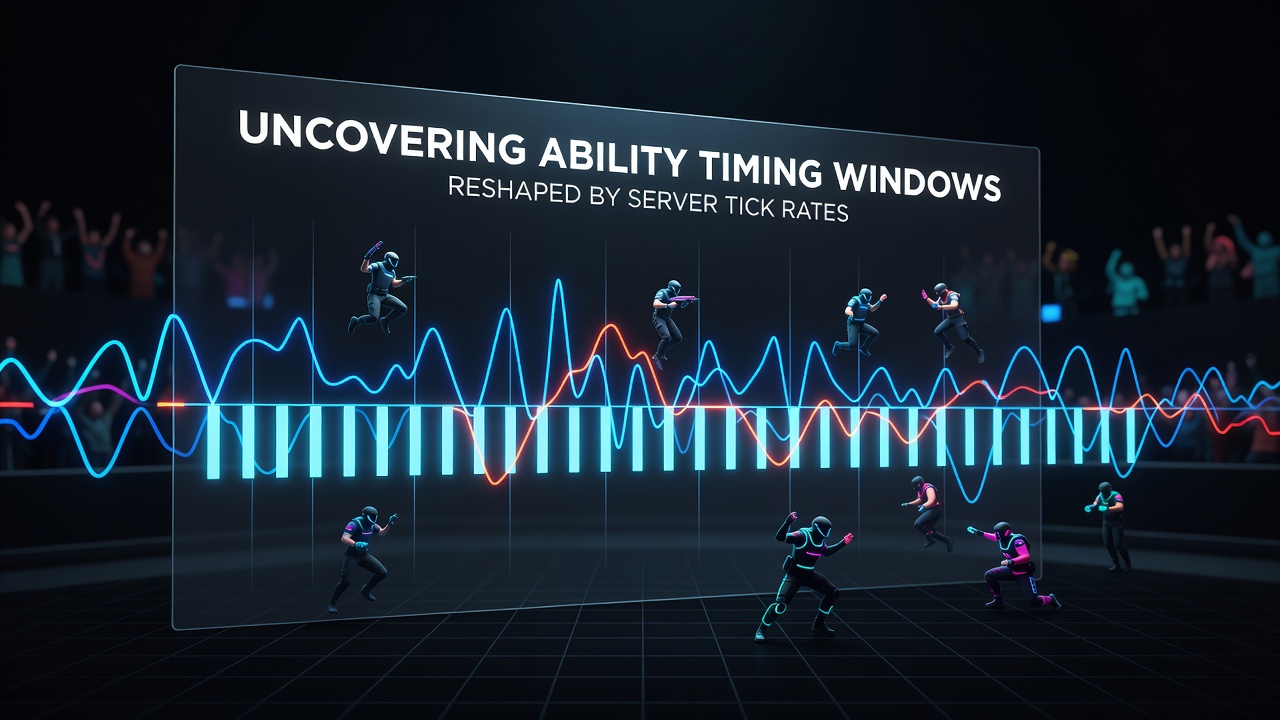
Server tick rates determine how frequently game servers process and update player actions in competitive team arenas, and this mechanism directly influences the precise windows during which abilities activate, register hits, or trigger effects across platforms from first-person shooters to multiplayer online battle arenas. Data from industry benchmarks shows that standard rates often hover between 60 and 128 ticks per second, with higher figures allowing finer granularity in timing sequences that competitive players rely upon for coordinated strategies.Core Mechanics Behind Tick Rate Influences
Competitive environments process inputs in discrete intervals rather than continuously, which means an ability cast at the edge of a tick window experiences delays or advancements depending on the server's update cadence. Observers note that lower tick rates compress these windows, leading to situations where simultaneous team actions overlap unpredictably while elevated rates expand the margins for precise execution during high-stakes matches. Researchers at institutions such as the Massachusetts Institute of Technology have documented through simulation models how these intervals reshape reaction thresholds, particularly when multiple players issue commands within milliseconds of each other.
Effects Across Different Game Genres
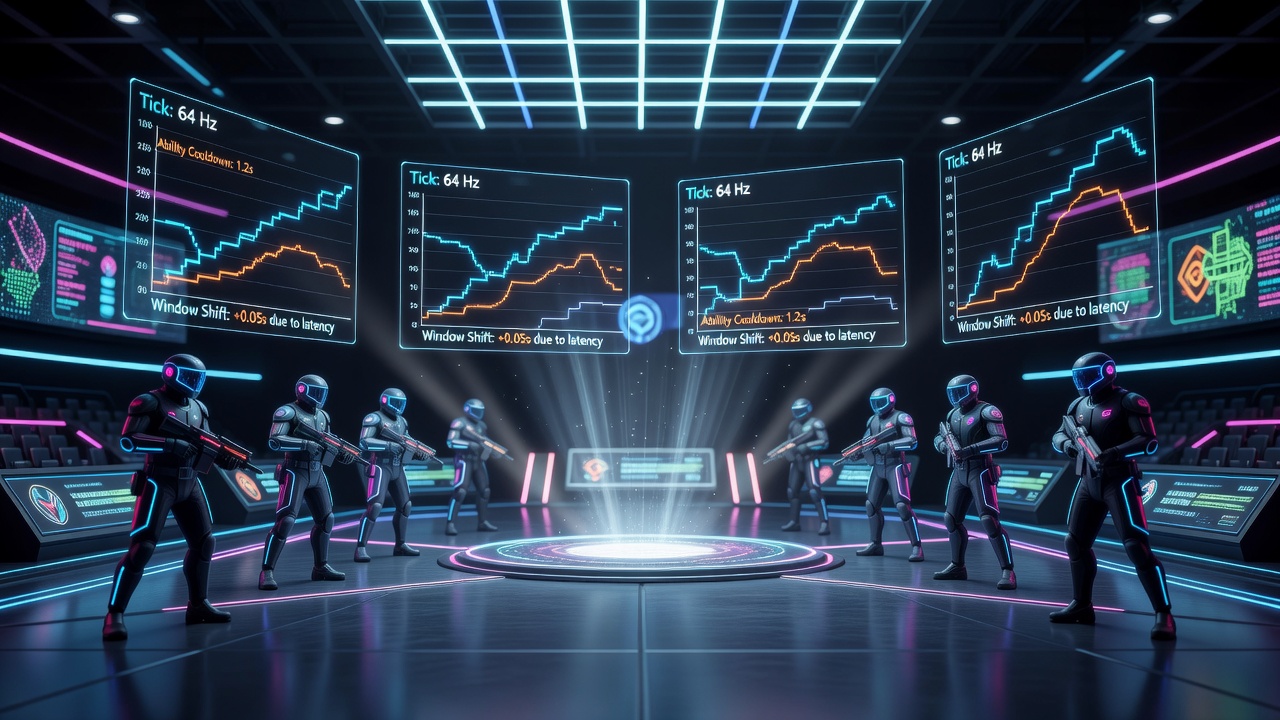
In team arenas emphasizing ability rotations, tick rate discrepancies alter cooldown alignments and hit confirmation timings, which forces squads to adapt their execution patterns based on the hosting infrastructure. Figures from esports analytics platforms reveal that matches hosted on 64-tick servers exhibit wider variance in ability uptime compared to 128-tick configurations, where actions resolve with greater consistency across regional tournaments. Those who analyze match replays often discover that projectile-based abilities suffer the most pronounced shifts, as their travel paths intersect server updates at variable points that either validate or nullify intended outcomes.
Regional Infrastructure Variations in June 2026
June 2026 brought several infrastructure rollouts in major competitive circuits, with organizers in North America and Europe implementing hybrid tick systems to balance latency and precision during international qualifiers. According to reports from the European Union Agency for Cybersecurity, standardized testing protocols helped identify how regional server farms recalibrate timing windows for abilities in real time, reducing desync incidents that previously disrupted team synergies. Data compiled during these events indicated measurable improvements in ability registration accuracy when tick rates scaled dynamically based on participant load, allowing squads from Asia-Pacific regions to synchronize rotations more effectively against Western counterparts.
Adaptation Strategies Employed by Teams
Teams prepare for these variables through dedicated practice regimens that simulate different tick environments, enabling players to internalize adjusted input buffers and animation cancel points. Evidence from training logs shared within professional circuits shows that squads utilizing predictive modeling software achieve tighter coordination when abilities must land within sub-tick margins, especially during objective captures or defensive setups. What's notable is how coaching staff incorporate tick rate diagnostics into pre-match briefings, guiding adjustments to ability sequencing that account for the host server's update frequency without altering core tactics.
Hardware optimizations at the client level further interact with these server parameters, as input polling rates on peripherals must align closely to avoid additional layering that distorts the effective timing window. Studies conducted through collaborative efforts at Australian universities have quantified these interactions, demonstrating that mismatched polling introduces compounding delays that amplify the reshaping effects already present from tick disparities.
Long-Term Infrastructure Trends
Over successive seasons, developers have experimented with variable tick architectures that respond to match intensity, which observers track through patch notes and developer communications. This approach allows competitive arenas to maintain stability while preserving the integrity of ability timing across diverse player bases, and data from global esports federations indicates gradual adoption rates climbing through mid-2026. Those monitoring infrastructure reports highlight how cloud-based scaling contributes to more uniform windows, minimizing the advantages or disadvantages tied to specific hosting locations.
Conclusion
Server tick rates continue to define the boundaries of ability execution in competitive team arenas, with ongoing refinements reshaping how timing windows function across evolving platforms. As infrastructure adapts through targeted updates and research-backed protocols, the interplay between these rates and player actions remains a central factor in match outcomes and strategic planning worldwide.