Tracking Discarded Baccarat Cards Through Automated Sorting and Secure Recycling at Integrated Resorts
Alex Griffin · Aug 21, 2026
Tracking Discarded Baccarat Cards Through Automated Sorting and Secure Recycling at Integrated Resorts
Integrated casino resorts handle thousands of playing cards daily from baccarat pits where multiple decks cycle through shoes during extended play sessions, and operators collect these cards once they reach designated discard points to maintain game integrity. Staff members remove decks at set intervals, place them into sealed containers, and transport them along controlled routes that avoid public areas while security personnel monitor each transfer through surveillance feeds and access logs. This initial stage ensures cards stay accounted for before they reach processing zones.
Collection Procedures in Active Baccarat Pits
Dealers at baccarat tables follow standardized protocols that require them to set aside cards after each shoe completes its run or when pit supervisors issue rotation signals, and these discards accumulate in locked bins positioned beneath the tables. Floor supervisors verify bin seals at shift changes, log the number of decks removed, and coordinate with back-of-house teams for pickup, while data from table management systems records the volume and timing to cross-reference against inventory totals. Such steps create an unbroken chain that tracks every card from the moment it leaves play.
Transition Into Automated Sorting Facilities
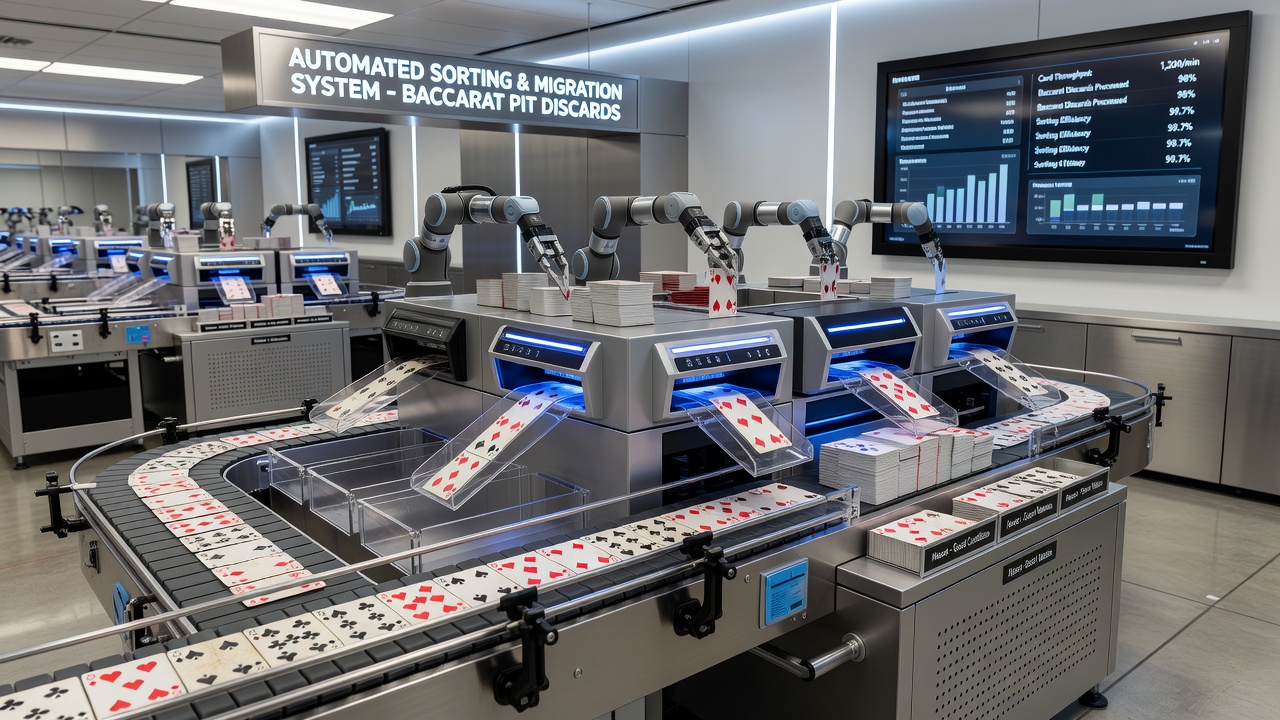
Once collected bins arrive at dedicated sorting areas, automated systems take over through conveyor belts that feed cards into scanning machines equipped with optical readers and RFID detectors where each card passes under high-resolution cameras that capture markings, wear patterns, and embedded security features. Software algorithms compare these images against baseline deck templates to flag anomalies such as added marks or missing cards, and rejected items divert to separate secure holding compartments for further inspection. The process runs continuously during peak hours, processing batches that can exceed several hundred decks per hour depending on resort size and baccarat floor traffic.
Security Protocols During Sorting Operations
Access to sorting rooms remains restricted to authorized personnel who undergo background checks and wear tracked identification badges, while cameras record every movement and biometric scanners control entry points. Integrated resorts often link these systems to central command centers that receive real-time alerts if discrepancies appear during scans, allowing immediate response teams to isolate affected batches. In August 2026 several major properties upgraded their sorting software to incorporate machine learning modules that improve detection rates for subtle tampering attempts based on patterns observed across multiple locations.
Movement Into Recycling and Destruction Streams
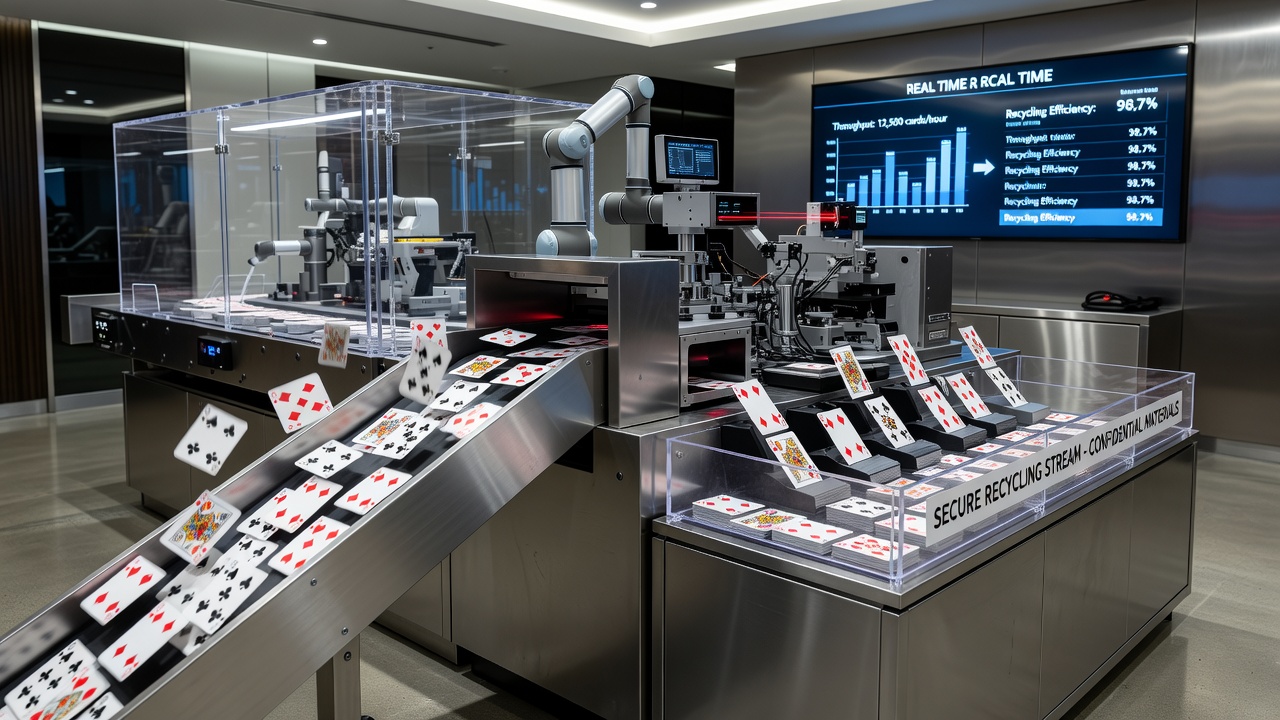
After sorting clears cards for release, they enter sealed transport containers that move to on-site or partnered recycling facilities where industrial shredders reduce the decks to small fragments before separation into paper pulp streams that feed commercial recycling operations. Some resorts partner with specialized waste handlers that maintain chain-of-custody documentation through every stage, and these records align with environmental reporting requirements set by regional authorities. The final output often becomes raw material for paper products while maintaining compliance with casino-specific rules that prohibit reintroduction of any card components into circulation.
According to data from the Nevada Gaming Control Board, large-scale resorts in the state reported processing over 2.3 million decks annually through such systems as part of broader waste management practices. Observers note that similar protocols appear in other jurisdictions, with the Casino Regulatory Authority of Singapore publishing guidelines that emphasize secure destruction to prevent card reuse in unauthorized games. A research report from the University of Nevada's gaming studies department examined how automated sorting reduces manual handling time by approximately 65 percent compared with older manual inspection methods, highlighting efficiency gains without compromising verification standards.
Integration With Broader Resort Operations
Recycling streams connect to wider sustainability initiatives at integrated resorts where card waste combines with other paper products before shipment to external processors, and facilities track total volumes through digital dashboards that feed into annual environmental reports. Coordination between gaming floors, sorting teams, and recycling partners relies on standardized data formats that allow quick reconciliation of numbers, and this integration supports both regulatory audits and internal performance reviews. Those who manage these flows often adjust schedules based on seasonal baccarat volumes, ensuring capacity matches demand without creating backlogs.
Conclusion
The migration of discarded baccarat cards follows a defined path that begins at table level and ends in secure recycling, with automated sorting serving as the central checkpoint that verifies integrity before materials exit the resort. Systems in place across major properties maintain accountability through technology and procedures that align with oversight from bodies like the Nevada Gaming Control Board and international partners. This structured approach supports both operational security and environmental compliance while adapting to updates in detection capabilities observed through 2026.