Tracing Lineage: Mechanical Shifts in European Roulette Variants Over Decades
Morgan Simon · May 29, 2026
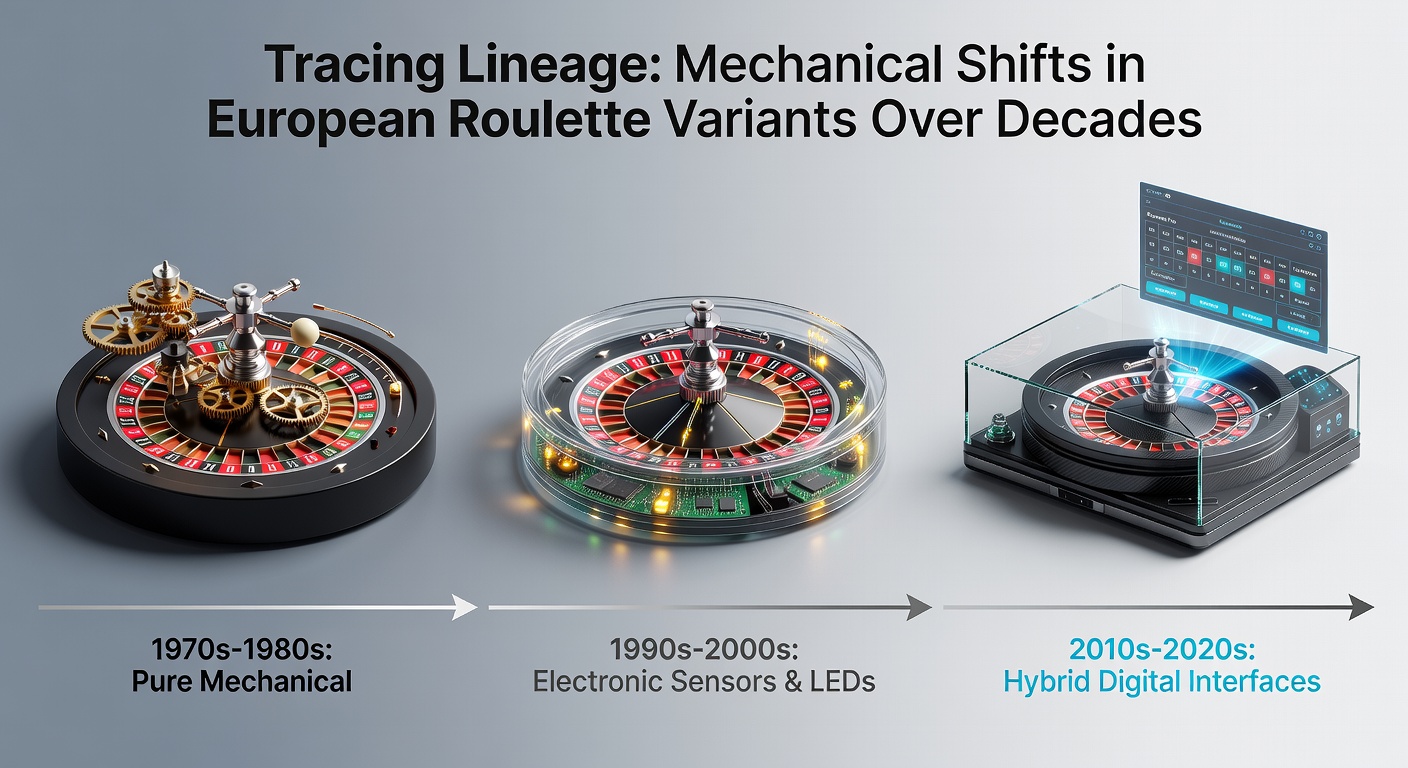
Tracing Lineage: Mechanical Shifts in European Roulette Variants Over Decades
European roulette traces its mechanical roots to 18th-century France where inventors combined elements from earlier wheel games and created the single-zero layout that set the variant apart from double-zero American designs; records from that era show the wheel featured 37 numbered pockets including the zero with the ball spun manually against fixed deflectors. Those early mechanisms relied on brass separators and wooden frames that required frequent calibration yet established the core physics still used today.
Origins and Early Refinements
By the early 1800s French manufacturers adjusted pocket depths and introduced more precise metal frets which reduced ball bounce variability according to surviving casino ledgers from Paris and Monte Carlo; these changes allowed croupiers greater control over game pace while maintaining the house edge at approximately 2.7 percent. Observers documented that wheel diameters stabilized around 80 centimeters during this period creating consistency across venues in multiple cities.
19th Century Developments
Throughout the 19th century European roulette wheels incorporated hardened steel axles and improved bearings that extended operational life and minimized friction inconsistencies; data from German and French gaming houses indicate these upgrades coincided with expanded table layouts that added betting options such as voisins and orphelins without altering the fundamental wheel mechanics. The addition of the La Partage rule in select French casinos further modified outcomes on zero bets returning half the stake to players and effectively lowering the edge to 1.35 percent on even-money wagers.
20th Century Mechanical Innovations
During the 20th century manufacturers introduced automated ball launchers in some European establishments which replaced hand spins with motorized mechanisms calibrated to consistent speeds; regulatory filings from the Netherlands and Spain show these devices underwent testing for randomness compliance before widespread adoption. Wheel materials shifted toward lighter alloys that reduced wear on pockets while deflectors gained adjustable angles allowing operators to tune ball scatter patterns on a per-table basis.
Post-War Variants and Regional Adaptations
After World War II several European jurisdictions experimented with hybrid layouts that combined traditional single-zero wheels with additional betting sectors such as the tier bet; archives from Italian and Portuguese casinos reveal these variants maintained core mechanical integrity but altered felt markings to accommodate new wager types. By the 1970s electronic sensors began monitoring wheel rotation in select locations providing real-time data on spin duration and velocity though manual oversight remained mandatory under most gaming statutes.
Transition to Digital and Hybrid Systems
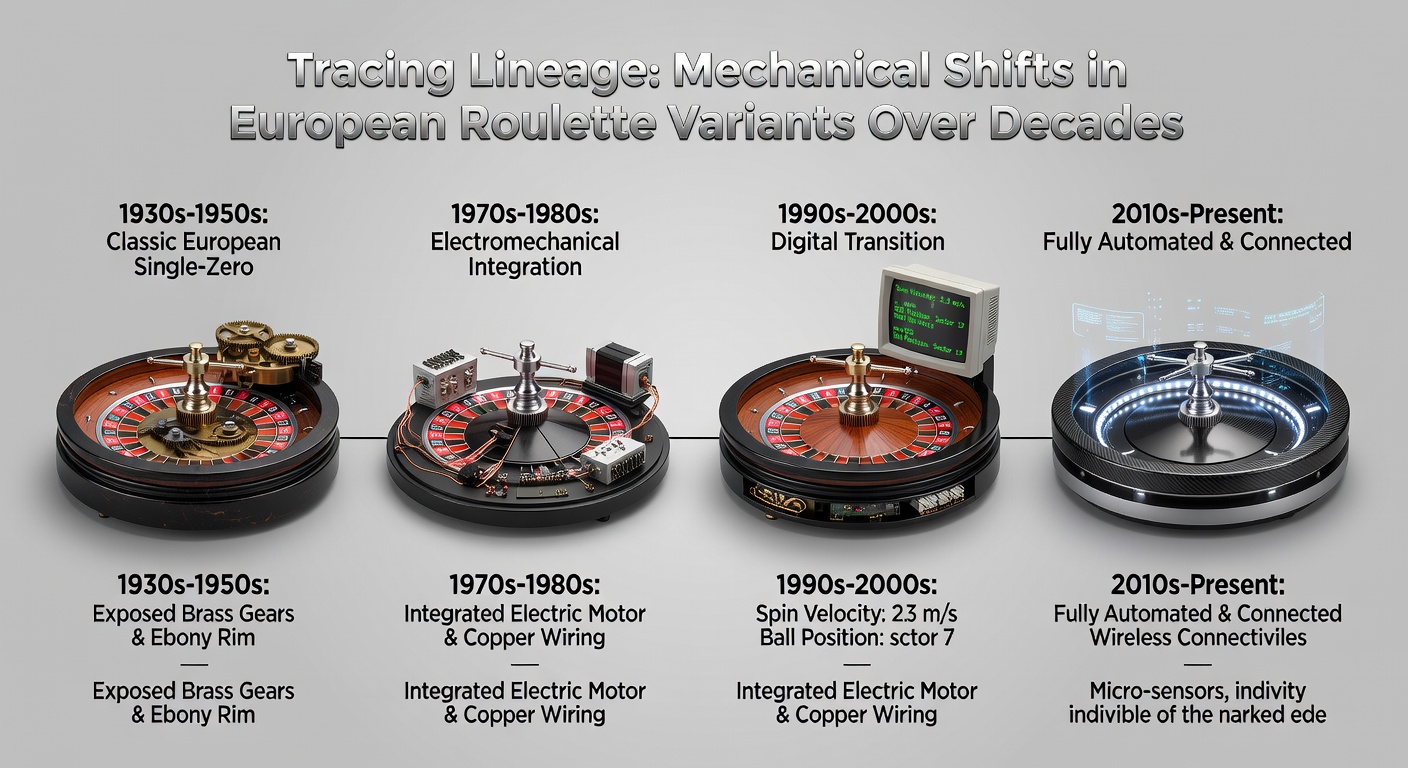
Electronic variants emerged in the 1990s when developers integrated random number generators with physical wheel replicas creating hybrid experiences that preserved visual elements while shifting outcome determination to software algorithms certified by independent laboratories; reports from the Malta Gaming Authority and the Danish Gambling Authority confirm these systems underwent rigorous statistical validation before licensing. Mechanical wheels persisted in land-based settings where players continued to value tactile feedback and observable physics.
Contemporary European roulette now includes mini-wheel versions with 13 or 17 pockets suited for faster play cycles alongside full-size tables equipped with RFID chips that track bets automatically; industry data from the European Casino Association indicates these tracking systems reduce dealer errors and accelerate payouts without changing underlying probabilities. As operators prepare venues for the May 2026 gaming season several properties plan incremental upgrades to sensor arrays that log additional performance metrics for compliance reporting.
Conclusion
Mechanical evolution in European roulette variants reflects steady adaptation of wheel construction materials pocket geometry and ancillary equipment across more than two centuries while core single-zero mathematics remained constant. Regulatory oversight from multiple national bodies continues to shape acceptable modifications ensuring randomness standards hold across both traditional and technologically augmented formats.