Digital Footprints: The Evolution of Player Tracking Systems from Paper Logs to Integrated Software Platforms in Resort Casinos
Kai Peters · Jul 17, 2026
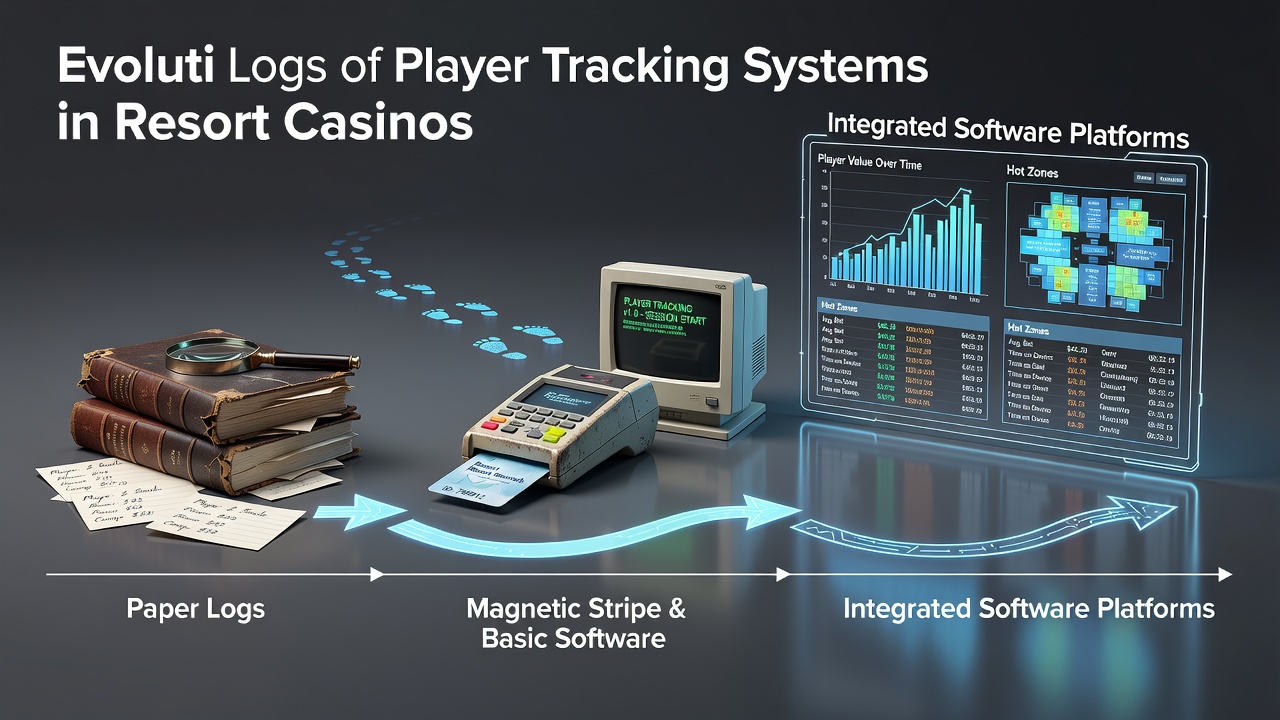
Digital Footprints: The Evolution of Player Tracking Systems from Paper Logs to Integrated Software Platforms in Resort Casinos
Resort casinos began tracking players through handwritten entries in ledgers during the mid-20th century, and these records captured basic details such as visit dates along with average bet amounts at table games. Staff members recorded information at the end of each shift, which created a system dependent on consistent manual effort across multiple departments. Data remained fragmented because individual pit bosses maintained separate notebooks that rarely connected to centralized records, yet the approach provided the foundation for later loyalty initiatives.
Early Manual Methods and Their Limitations
Casino operators relied on paper-based systems through the 1970s and 1980s, where employees wrote player names and wager estimates on pre-printed forms that were collected nightly. These logs allowed basic identification of high-volume visitors, although accuracy varied because handwriting differed and entries often omitted smaller details. Observers note that larger properties in Nevada maintained filing cabinets filled with thousands of these sheets, while smaller venues used simple notebooks that limited any cross-referencing capabilities.
Physical cards issued to players supplemented the logs in some locations, and these cards required stamping at each visit to accumulate points toward complimentary services. The process worked through mechanical counters at cage windows, but it demanded repeated manual verification that slowed service during peak hours. Research from the Nevada Gaming Control Board shows that by 1985 most major Strip properties still depended on these hybrid paper-and-card arrangements despite growing player volumes.
Transition to Digital Records in the 1990s
Computer terminals appeared at pit stands during the early 1990s, allowing dealers to enter data directly into basic databases rather than writing everything by hand. These early systems connected via local networks that stored information on shared servers, which reduced duplication and enabled quicker searches for player histories. Casinos in Atlantic City adopted similar setups around the same period, and integration with slot machine meters began shortly afterward as manufacturers added basic interfaces.
By the late 1990s magnetic stripe cards replaced stamped paper versions at many properties, and readers at gaming positions automatically updated accounts when players inserted their cards. This shift cut down on transcription errors while increasing the volume of captured data points such as session length and game type preferences. Industry reports from the American Gaming Association indicate that over 60 percent of large U.S. casinos had installed card-based tracking by 2000, marking a clear move away from purely manual processes.
Integrated Software Platforms Emerge
Modern platforms combine player data from table games, slot floors, and hotel systems into single dashboards that update in real time. Software from providers such as Aristocrat and IGT pulls information from multiple sources including RFID chips at high-limit tables and mobile apps that track activity across resort amenities. These systems allow marketing teams to adjust offers based on recent play patterns without waiting for end-of-day reports.
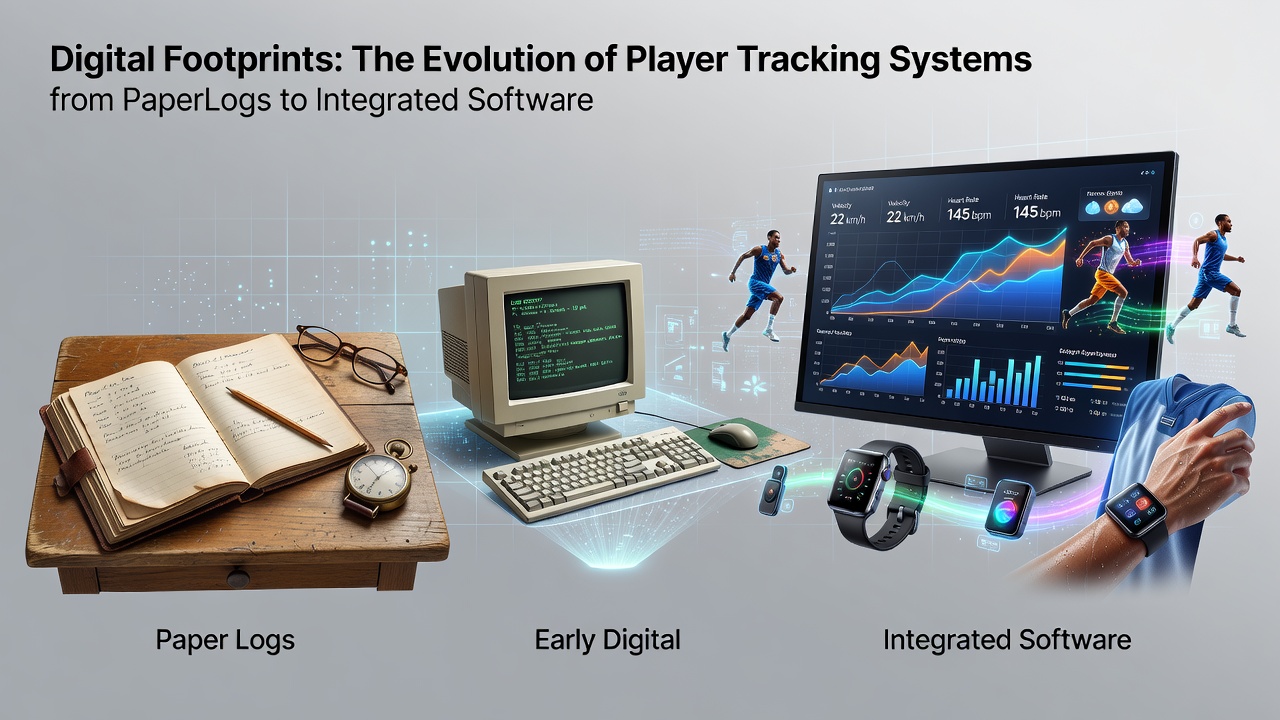
Cloud-based solutions gained traction after 2015, and they permit properties in different states to share anonymized data for chain-wide loyalty programs. Canadian operators in provinces such as Ontario implemented similar platforms under oversight from the Alcohol and Gaming Commission of Ontario, which requires detailed audit trails for all player transactions. European properties followed with comparable integrations under national regulatory frameworks, creating consistent standards for data retention across borders.
Current Capabilities and July 2026 Developments
By July 2026 resort casinos operate platforms that link facial recognition at entrances with account profiles, although usage remains limited to security and compliance functions in most jurisdictions. Real-time dashboards display heat maps of floor activity, and algorithms flag unusual patterns for review by compliance staff. Mobile integration lets players view their own tracked activity through resort apps, which display points earned and upcoming redemptions without requiring visits to player services desks.
Data from the Australian Institute of Criminology shows that integrated systems now capture over 95 percent of slot play at major properties in New South Wales and Victoria, while table game tracking has reached similar levels through chip sensors. These figures reflect steady expansion from earlier decades when only partial coverage existed. Properties continue to refine interfaces so that staff can access player preferences during live interactions, reducing delays that once occurred when information remained siloed in separate departments.
Regulatory Influences on System Design
Regulators in multiple regions require audit logs that record every change to player accounts, and these mandates shaped how software vendors built access controls. The Nevada Gaming Control Board enforces rules that demand daily backups and multi-factor authentication for any system handling player funds. Similar requirements appear in Macau under the Gaming Inspection and Coordination Bureau, which added data localization rules in recent years to keep records within approved facilities.
Operators must also maintain records that support responsible gaming programs, and integrated platforms now include features that monitor session length and spending velocity. Alerts generated by the software notify staff when predefined thresholds are reached, allowing interventions that comply with local policies. This functionality evolved directly from earlier manual flagging methods that relied on pit observation alone.
Conclusion
Player tracking moved from handwritten ledgers to comprehensive software platforms through incremental technological adoption and regulatory pressure. Each stage built upon the previous one, expanding the types of data collected while improving accuracy and speed. Current systems support complex loyalty structures across entire resorts, and ongoing updates continue to refine how casinos manage player interactions in July 2026 and beyond.