Cluster formations around progressive terminals: how adjacent machine occupancy rates shift during linked jackpot activations in integrated resort floors
Mara Berger · Jul 8, 2026
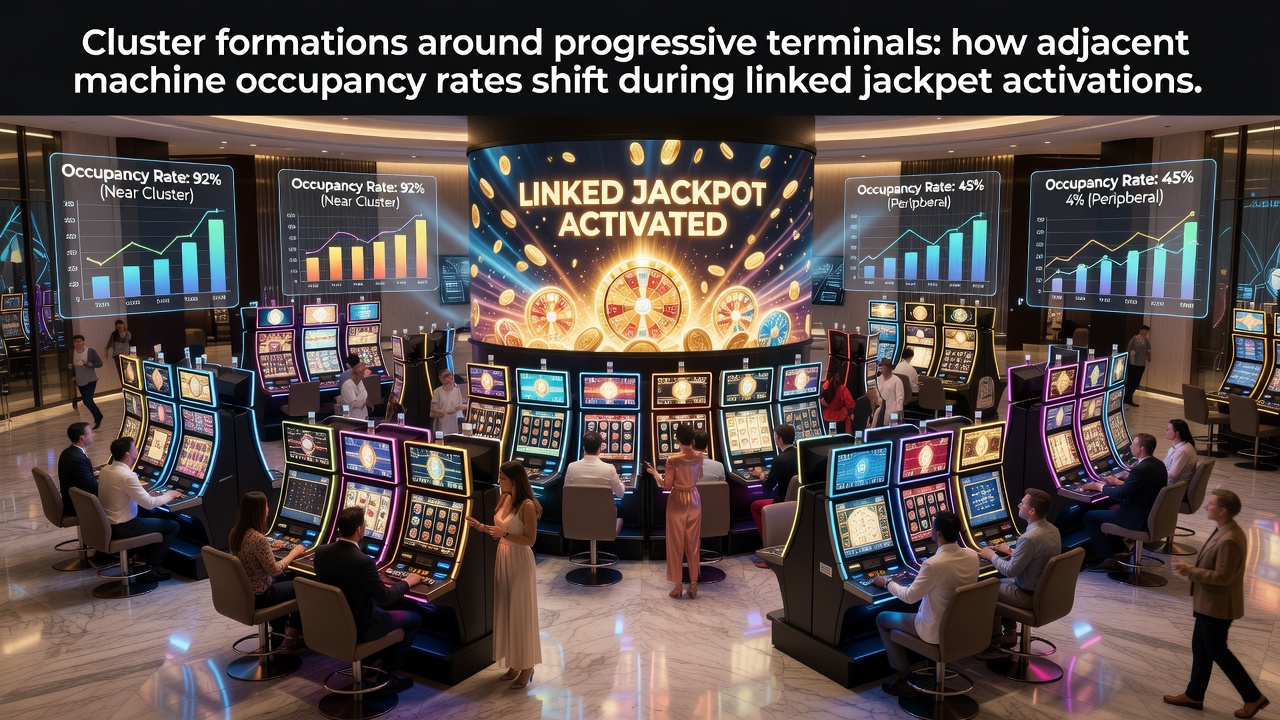
Cluster formations around progressive terminals: how adjacent machine occupancy rates shift during linked jackpot activations in integrated resort floors
Integrated resort floors operate with networks of progressive terminals where jackpot values accumulate across multiple machines, and activations create measurable changes in how players position themselves around those terminals. Data from major properties indicates that occupancy rates at adjacent machines often rise within minutes of a linked payout announcement, while machines slightly farther away see different patterns depending on floor layout and sightlines.
Mechanics of Linked Progressive Networks
Progressive systems connect terminals across banks or entire floors so that a percentage of each wager contributes to a shared jackpot pool, and this structure influences player movement once an activation occurs. When a terminal hits, the system broadcasts the win through overhead displays and machine lights, prompting nearby players to approach the area and sometimes occupy machines that became available moments earlier. Research from the University of Nevada, Las Vegas shows these activations correlate with temporary increases in foot traffic density within a 15-meter radius of the winning terminal, while occupancy at peripheral machines adjusts based on available seating and game types.
Resort operators track these shifts through sensor data and camera analytics that record how many players remain at their stations versus how many relocate toward the active cluster. In July 2026, several properties in the Asia-Pacific region reported similar redistribution patterns during high-value activations exceeding $500,000, with adjacent occupancy climbing between 18 and 34 percent within the first quarter-hour.
Observed Shifts in Machine Occupancy
Occupancy rates at machines directly beside a progressive terminal typically increase as players either continue playing or switch to open seats in the immediate vicinity, whereas machines two or three positions away experience more variable changes. Some studies document a brief dip in occupancy at those secondary positions when players vacate to join the growing cluster, followed by stabilization once the initial excitement subsides. Figures from the Nevada Gaming Control Board reveal that linked activations on wide-area progressives produce more pronounced clustering than standalone progressives because the larger prize pools draw attention from greater distances across the floor.
Integrated resorts often configure progressive banks in curved or linear arrangements that either amplify or dampen these effects, since curved layouts allow more players to maintain visual contact with the winning terminal without leaving their machines. Observers note that electronic table games positioned near progressive slots also record occupancy adjustments, though the magnitude remains smaller than the changes recorded among slot terminals themselves.
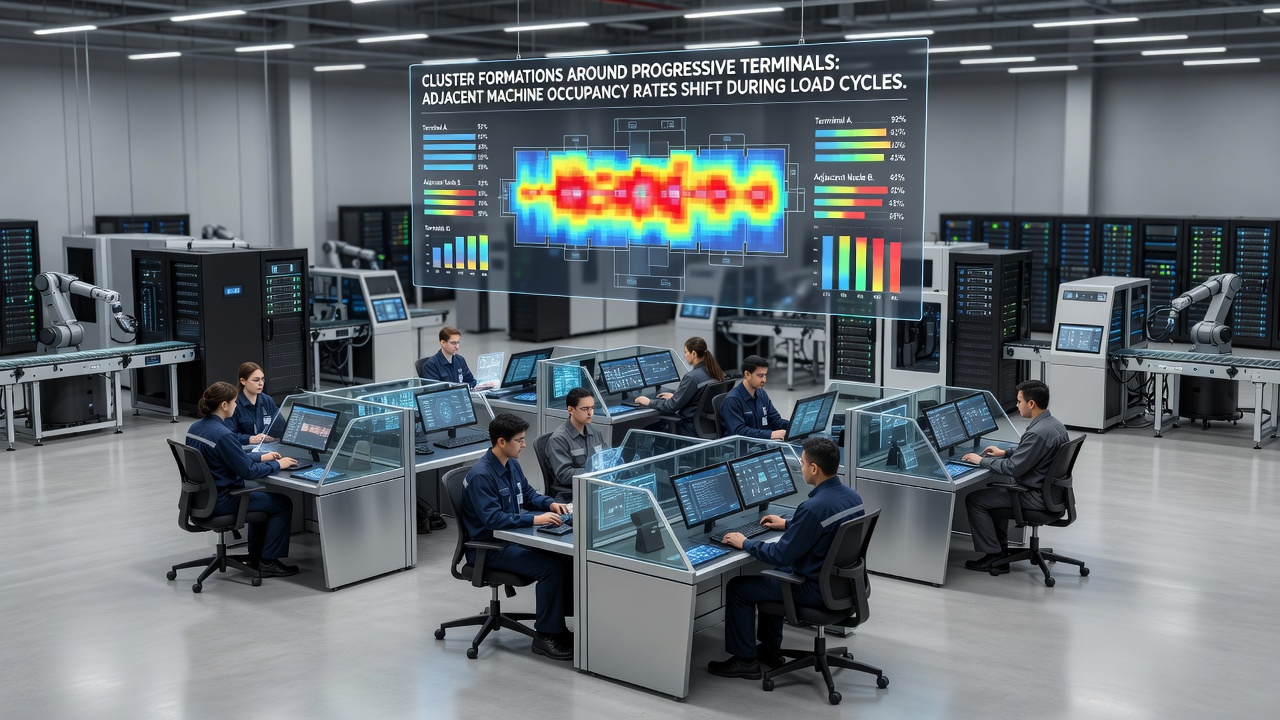
Factors Modulating Cluster Behavior
Time of day, jackpot size, and concurrent events on the floor all contribute to how occupancy redistributes after an activation, and larger jackpots tend to sustain elevated occupancy longer because players remain in the area hoping for follow-up wins. Properties in high-traffic periods, such as evening hours or holiday weekends, register faster clustering because more individuals are already circulating through the gaming zones. Data collected across multiple resorts indicates that activations occurring near food and beverage outlets produce different redistribution patterns than those in quieter corners, since players already moving through those corridors join the cluster more readily.
Regulatory frameworks in various jurisdictions require operators to maintain records of machine utilization, and these records help identify consistent trends in how linked systems affect surrounding occupancy. The Victorian Commission for Gambling and Liquor Regulation has compiled utilization statistics that align with patterns observed in North American properties, showing that progressive activations create temporary imbalances in machine usage that operators then address through floor reconfigurations or promotional adjustments.
Conclusion
Cluster formations around progressive terminals result from the interaction between system broadcasts, player positioning preferences, and physical layout constraints on integrated resort floors, with occupancy rates at adjacent machines shifting in measurable ways during linked activations. Continued collection of utilization data across regions allows operators to refine terminal placement and network configurations while meeting regulatory reporting standards in multiple jurisdictions.