Casino Surveillance Networks Rely on Layered Camera Arrays for Real-Time Monitoring
Morgan Simon · Jul 6, 2026
Casino Surveillance Networks Rely on Layered Camera Arrays for Real-Time Monitoring
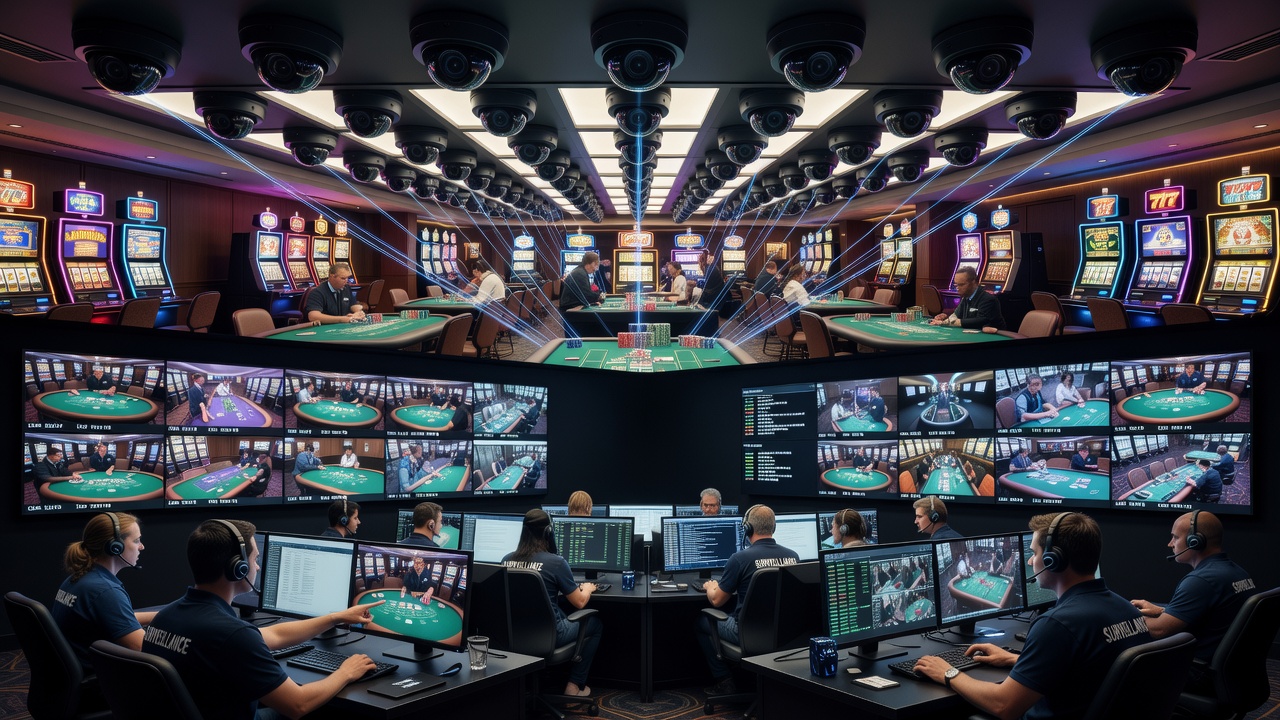
Casino surveillance networks operate through layered camera arrays positioned above gaming tables and slot banks, capturing continuous footage that feeds into centralized monitoring rooms where analysts review sequences in real time, and these systems integrate multiple camera types including fixed, PTZ, and 360-degree units to cover every angle without blind spots while operators coordinate with floor staff during incidents.
Core Components of Modern Surveillance Setups
Facilities deploy cameras at varying heights and angles so that one layer captures wide floor views while another focuses on individual tables or machines, and data streams route through secure fiber networks to control rooms staffed around the clock. Analysts there examine live feeds alongside recorded segments, cross-referencing player movements with transaction logs to flag irregularities such as chip theft or collusion attempts, and this process draws on both human observation and automated alerts triggered by motion or behavior patterns.
Integration with other systems proves essential because surveillance teams often link camera networks to player tracking databases and point-of-sale terminals, allowing immediate verification when a disputed payout occurs or when security personnel request visual confirmation of an event. In larger resorts, multiple monitoring rooms handle separate zones like high-limit areas and main gaming floors, with supervisors routing urgent matters to on-site response teams within seconds.
Technological Advances and Data Handling Practices
Digital recording replaced analog tapes years ago, yet recent upgrades emphasize higher resolution sensors and AI-assisted analytics that can highlight unusual betting sequences or prolonged loitering near cash cages. Storage protocols require retention of footage for set periods mandated by regulators, and retrieval systems allow authorized personnel to export clips with timestamps for audits or law enforcement requests. Facilities in Nevada, for instance, follow guidelines from the Nevada Gaming Control Board that specify minimum camera counts per table type and resolution standards for clear identification of individuals and currency.
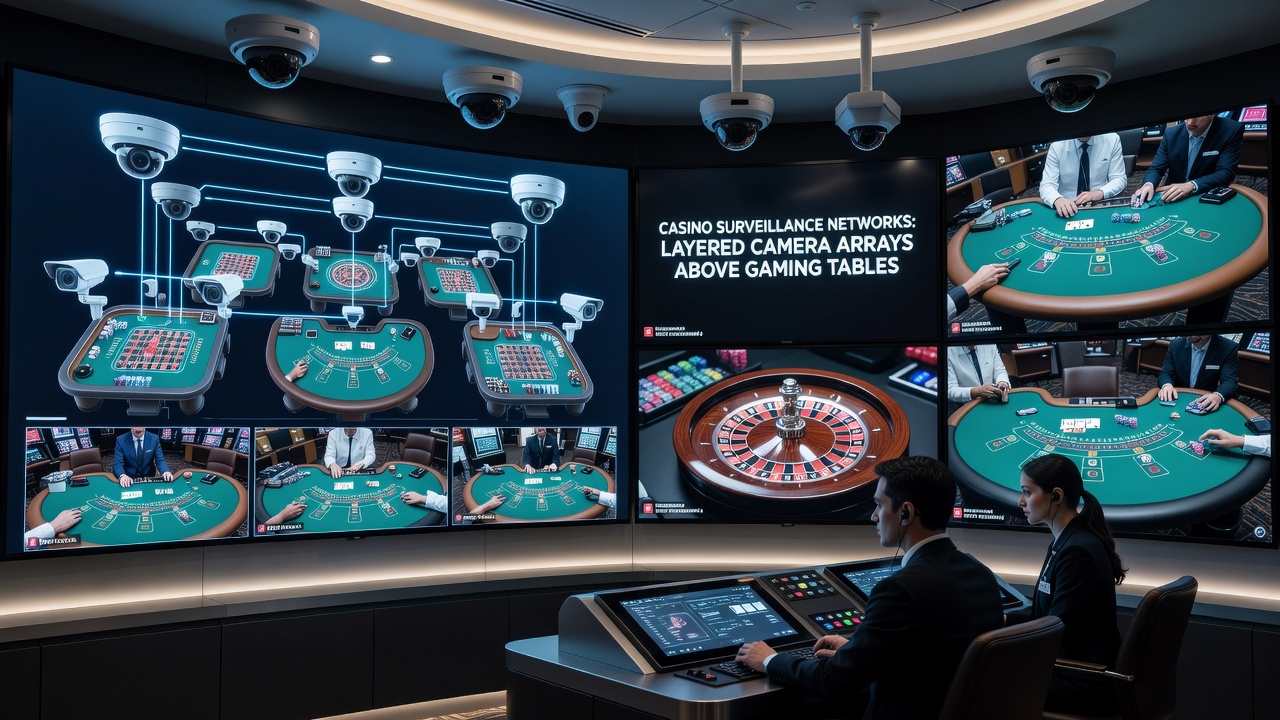
Privacy considerations shape equipment placement because regulations in various jurisdictions limit camera coverage in non-gaming areas such as restrooms or hotel corridors, while still requiring comprehensive oversight of all money-handling activities. In July 2026 several properties completed phased rollouts of upgraded thermal imaging add-ons that help detect concealed devices under low-light conditions without relying solely on visible light cameras.
Regulatory Frameworks Across Regions
Different oversight bodies impose distinct requirements yet share common goals of preventing fraud and maintaining game integrity. The Nevada Gaming Control Board enforces detailed technical standards for surveillance equipment, whereas the Victorian Commission for Gambling and Liquor Regulation in Australia focuses on integration with responsible gambling tools and incident reporting timelines. Operators submit regular compliance reports that include camera uptime statistics and review logs, and independent audits verify that systems meet or exceed minimum thresholds before licenses renew.
Training programs for surveillance staff emphasize pattern recognition and legal boundaries so that analysts understand when to escalate matters without overstepping privacy rules. Industry groups such as the American Gaming Association publish best-practice documents that summarize successful approaches used across multiple states, helping standardize procedures even as individual properties customize layouts to match their floor plans.
Operational Challenges and Response Protocols
High-traffic periods create volume challenges because analysts must prioritize which feeds receive immediate attention amid dozens of simultaneous activities, and backup power systems plus redundant recording servers guard against outages that could compromise evidence chains. Coordination with local law enforcement occurs through dedicated liaison channels, allowing quick handoff of footage when external investigations begin. One documented case involved analysts identifying a coordinated group attempting to manipulate roulette outcomes through repeated signaling, leading to an arrest coordinated with authorities within minutes of detection.
Maintenance schedules keep equipment functional, with routine checks for lens clarity, network latency, and software updates that patch vulnerabilities in the monitoring software. Facilities often conduct unannounced internal drills to test how quickly teams can locate specific individuals or reconstruct event timelines from archived footage.
Conclusion
Layered camera arrays and centralized monitoring rooms form the backbone of casino security operations, combining human expertise with technological tools to maintain continuous oversight. Regulatory standards from bodies like the Nevada Gaming Control Board and the Victorian Commission for Gambling and Liquor Regulation ensure consistency, while ongoing upgrades in July 2026 highlight how facilities adapt to new demands. These networks continue to evolve alongside gaming environments, supporting both safety and regulatory compliance through structured, data-driven processes.