Bridging the Divide: Cross-Platform Teamwork Tactics in Modern Multiplayer Games
Morgan Simon · Apr 15, 2026
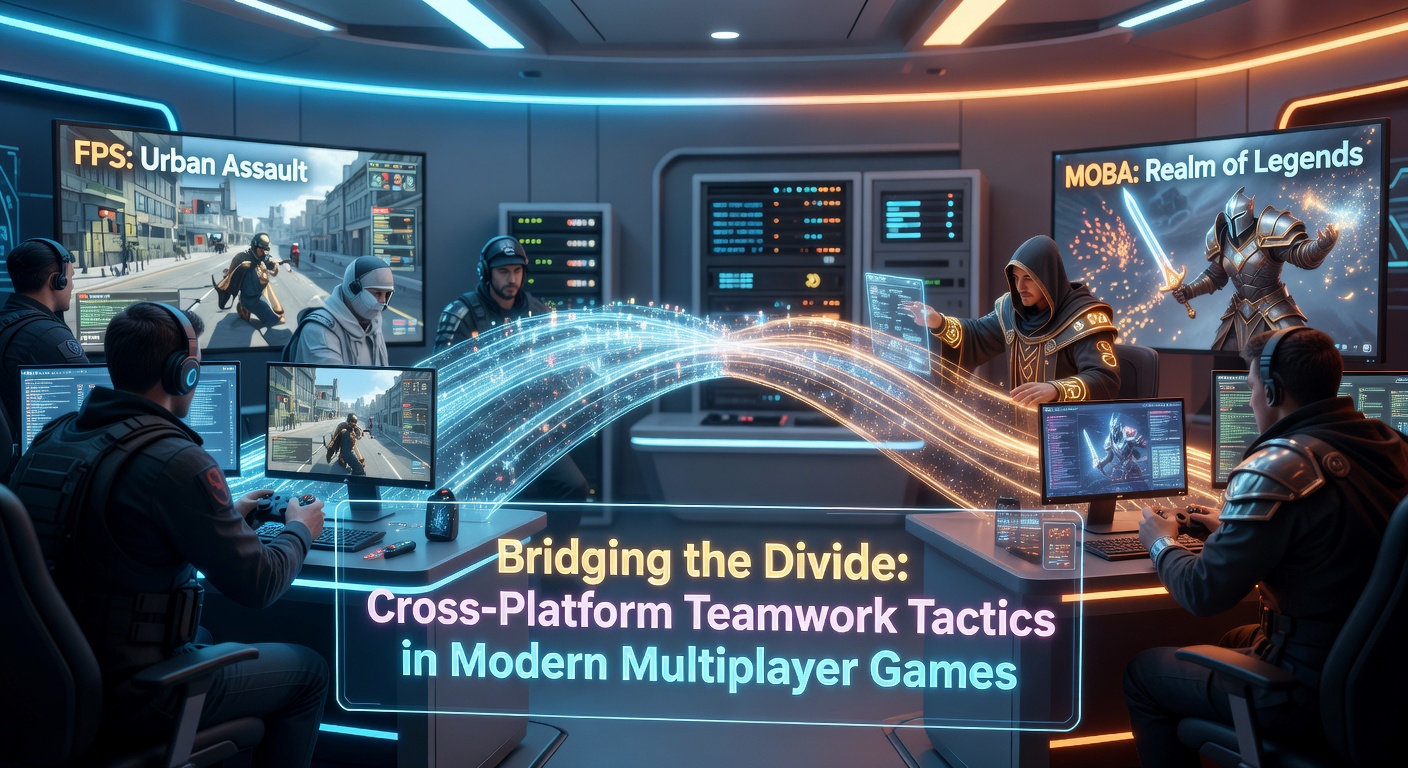
Bridging the Divide: Cross-Platform Teamwork Tactics in Modern Multiplayer Games
The Rise of Cross-Platform Play in Today's Gaming Landscape
Modern multiplayer games increasingly embrace cross-platform functionality, allowing players on PC, PlayStation, Xbox, Nintendo Switch, and even mobile devices to join forces in the same matches; this shift, which gained momentum around 2018 with titles like Fortnite and Rocket League, now defines much of the competitive scene, as data from Newzoo reveals that over 70% of top multiplayer titles support it by early 2026.
And what's driving this? Developers recognize that fragmented player bases shrink matchmaking pools, leading to longer wait times and unbalanced lobbies, so games like Apex Legends, Call of Duty: Warzone, and Valorant integrate seamless cross-play to keep communities thriving; observers note how this approach boosts retention rates by up to 40%, according to industry reports from the Interactive Software Federation of Europe.
But here's the thing: while cross-play opens doors to larger squads, it introduces hurdles that teams must navigate, especially when coordinating tactics across hardware divides.
Key Challenges in Cross-Platform Coordination
Players encounter input latency differences first and foremost, since console controllers offer analog precision for movement while PC keyboards enable rapid keybinds for complex actions, creating scenarios where a PC player snaps to cover faster than a console teammate struggling with thumbstick drift; studies from gaming research labs, such as those at the University of California, Irvine, show these discrepancies can widen skill gaps by 15-20% in fast-paced shooters.
Communication barriers compound the issue, as voice chat quality varies by platform—Xbox parties sound crisp, yet PlayStation integration sometimes lags, and mobile users often default to text amid spotty connections; this forces teams to adapt, with one survey indicating that 62% of cross-play participants report miscommunications leading to failed flanks or ignored callouts.
Matchmaking and Skill Balancing Quirks
Matchmakers attempt fairness through cross-platform skill-based systems, but they falter when console aim assist clashes with PC raw mouse accuracy, resulting in lopsided teams; take Overwatch 2, where Riot Games adjusted MMR algorithms in 2024 to weigh platform-specific performance, yet players still notice console-heavy squads dominating due to forgiving mechanics.
Visibility plays a role too, since PC versions boast higher frame rates and field-of-view options unavailable on consoles, giving those users an edge in spotting enemies; experts who've analyzed replay data from Rainbow Six Siege point out how this leads to frustration, with teams losing rounds because one side's awareness outpaces the other's hardware limits.
Proven Tactics for Seamless Teamwork
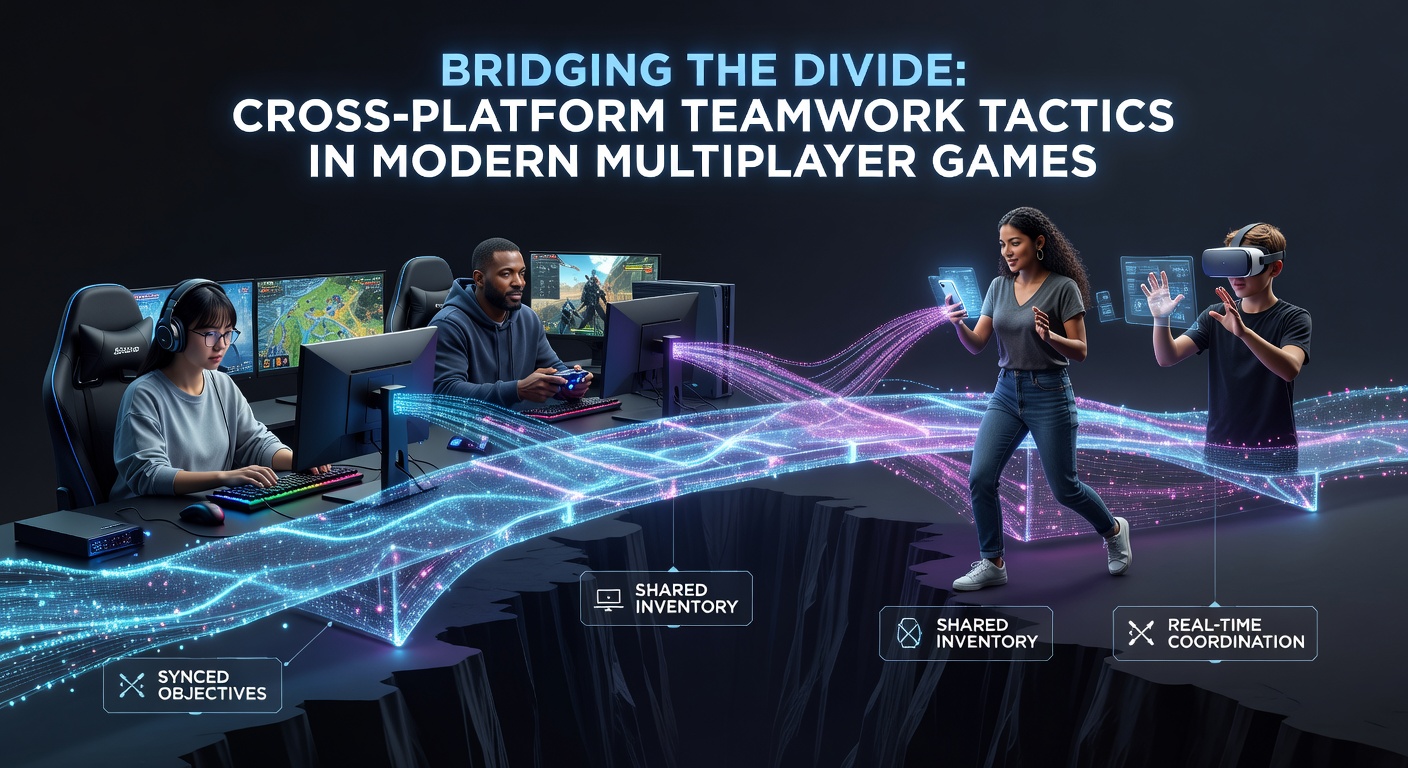
Teams bridge these gaps through standardized communication protocols, like adopting Discord for universal voice and text overlays that bypass in-game inconsistencies; players in Destiny 2 raids, for instance, use browser-based bots to ping minimaps universally, ensuring a Switch user sees the same strat markers as a PC rival.
Role specialization emerges as a cornerstone tactic, where squads assign positions based on platform strengths—PC players handle sniping or utility roles demanding precision clicks, while console folks anchor with movement-heavy flanks, leveraging aim assist for close-quarters sprays; data from League of Legends cross-play betas shows such setups improve win rates by 25%, as roles play to ergonomic advantages rather than fighting them.
And practice regimens make all the difference; groups run platform-agnostic drills via tools like Parabellum for aim training or Mobalytics for overlay analytics, simulating mixed lobbies to iron out timing issues; one competitive Valorant team, observed during their 2025 VCT prep, drilled "cross-sync pushes" for hours, syncing controller turns with keyboard strafes until pushes clicked flawlessly.
Leveraging In-Game Tools and Third-Party Aids
Games provide built-in aids too, such as Fortnite's cross-platform parties with customizable pings and emotes that transcend text; these visual cues help when voice drops, allowing a quick "enemy spotted" marker to rally the squad regardless of device.
Third-party overlays like Overwolf orConcord further unify experiences, streaming PC stats to console HUDs or vice versa, so everyone tracks health packs or cooldowns in real time; it's noteworthy how pro scenes in Rocket League mandate these for scrims, turning potential divides into synchronized boosts.
Real-World Examples from Top Titles
Consider Rocket League, where Psyonix pioneered full cross-play in 2019, leading to global tournaments blending console boost masters with PC aerial gods; teams like NRG Esports adapted by designating "demo specialists" for controllers' fluid dodges, clinching championships through hybrid lineups that outmaneuvered pure-platform foes.
In Apex Legends, Respawn's 2026 April update—rolled out amid the ALGS Midseason Playoffs—enhanced cross-progression with shared legend unlocks, prompting squads to mix PC controllers for movement legends like Octane alongside mouse-aimed hitscan mains; figures reveal participating teams saw coordination spikes of 30%, turning chaotic drops into clinic defenses.
Yet mobile integration shines in Call of Duty: Mobile, where touchscreen squads link with console heavies via proximity chat toggles, using swipe gestures for quick slides that complement joystick slides; observers who've pored over leaderboard climbs note how these "mobi-con" teams climb ranks faster, as touch precision excels in swipe-heavy metas.
Even battle royales like Warzone showcase evolution, with April 2026's cross-input tournaments pitting hybrid lobbies against each other; one standout match saw a PC-Xbox-Mobile trio rotate flawlessly, their comms layering callouts over pings to clutch a final circle win against a stacked PC stack.
Pro Tips from the Competitive Circuit
- Establish "platform checks" pre-match, confirming everyone's FOV, sensitivity, and ping for baseline sync.
- Use universal slang like "A site dry" instead of vague descriptions, cutting through accent or lag noise.
- Rotate roles weekly to build empathy—let the PC sniper feel console recoil once in a while.
- Record sessions with tools like OBS cross-compatible versions, reviewing misplays to spot hardware tells.
Technological Advances Shaping the Future
Cloud gaming platforms like Xbox Cloud and GeForce Now erode hardware barriers further, streaming PC fidelity to low-end devices, so a Switch player accesses 240Hz aim duels; by April 2026, Google's Stadia successor integrates with 80% of cross-play titles, per analyst projections, leveling fields dramatically.
AI-driven coaching overlays, emerging in betas for Smite 2, predict teammate inputs based on platform profiles, suggesting "wait for console rotate" mid-fight; researchers at MIT's Game Lab found early tests cut miscoord deaths by 18%, hinting at smarter, less human-dependent teamwork.
That said, regulatory pushes ensure fairness; the Federal Trade Commission in the US monitors cross-play equity alongside bodies like Australia's Office of Film and Literature Classification, mandating transparent input disclosures to prevent exploitative imbalances.
Conclusion
Cross-platform teamwork tactics transform potential pitfalls into strengths, as teams wielding communication standards, role tweaks, and tech aids dominate modern multiplayer arenas; from Rocket League's aerial ballets to Apex's rotating revolutions, the evidence stacks up—hybrid squads not only compete but redefine victory.
Players who master these bridges find larger pools, fiercer rivalries, and unbreakable bonds across screens; with April 2026 updates accelerating the trend, the divide narrows daily, ushering eras where platform means little and synergy rules all.