Beacon Banks: Charting Progressive Jackpot Display Placements Across Casino Atriums adn Their Draw on Foot Traffic
Mara Berger · Jul 1, 2026
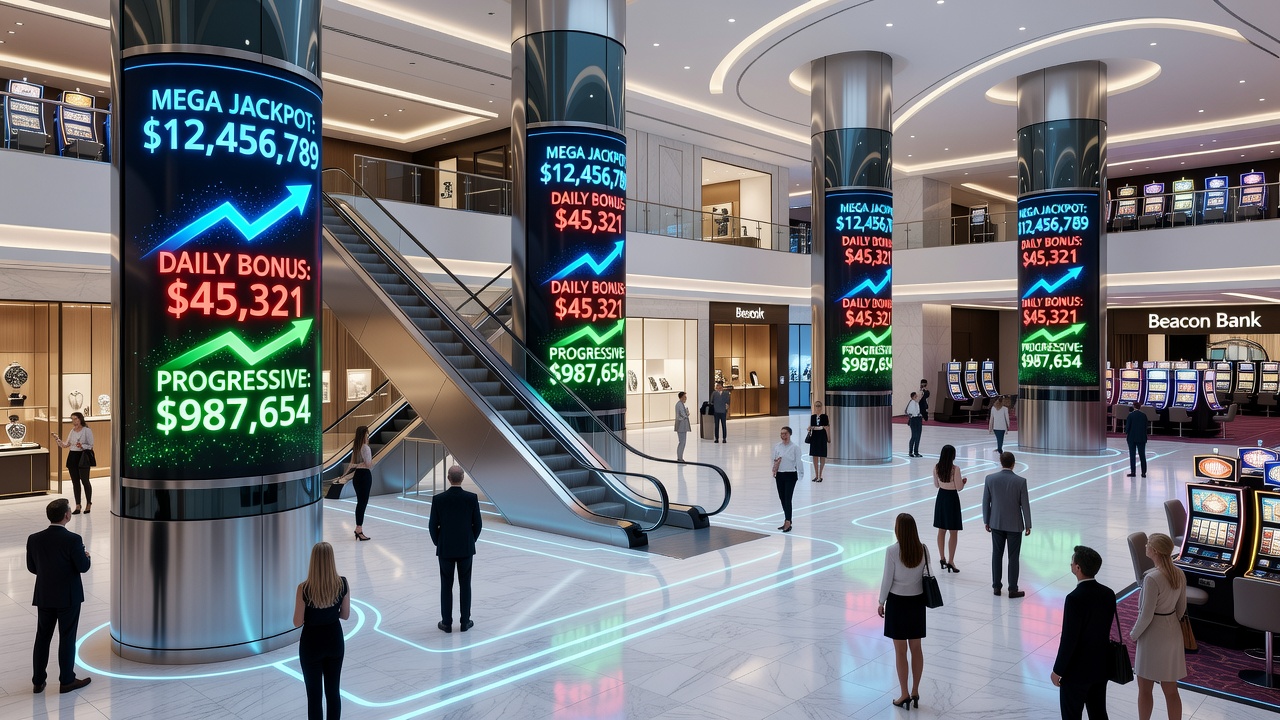
Beacon Banks: Charting Progressive Jackpot Display Placements Across Casino Atriums adn Their Draw on Foot Traffic
Beacon banks consist of large digital displays that showcase accumulating progressive jackpots from linked slot machines and table games across casino properties, and these installations often occupy central positions in atriums where multiple pathways converge. Observers note that such placements create visual focal points that guide visitor movement through open spaces while data from property management systems tracks corresponding shifts in pedestrian density over time. In July 2026, several major resorts reported updated configurations following seasonal expansions that repositioned these banks near entrances and elevator banks to align with peak arrival hours.
Placement Strategies in Atrium Layouts
Casino designers coordinate beacon bank locations with architectural features like high ceilings and open sightlines so that jackpot totals remain visible from multiple angles yet avoid obstructing primary walkways. Research from the University of Nevada Reno indicates that displays situated at intersections between gaming zones and hotel corridors capture attention during evening rushes when foot traffic increases by measurable percentages. Operators adjust mounting heights and screen angles based on traffic modeling software that simulates crowd dispersion during busy periods.
Properties in Las Vegas and Atlantic City have adopted clustered configurations where multiple progressive meters sit above information desks or near retail promenades, which allows simultaneous monitoring of several jackpots while directing guests toward underutilized machine banks. Those configurations integrate with existing digital signage networks so that content rotates between jackpot figures and promotional messages without requiring separate infrastructure.
Measured Effects on Visitor Movement
Surveillance analytics and RFID-based tracking systems record how beacon banks influence path selection as guests enter atriums and encounter the illuminated totals. Figures from the Nevada Gaming Control Board show that repositioning a single bank closer to a secondary entrance correlated with a redistribution of slot play volume across previously quieter sections of the floor. Similar patterns appear in reports from Australian venues where atrium displays draw measurable increases in dwell time near linked game banks.
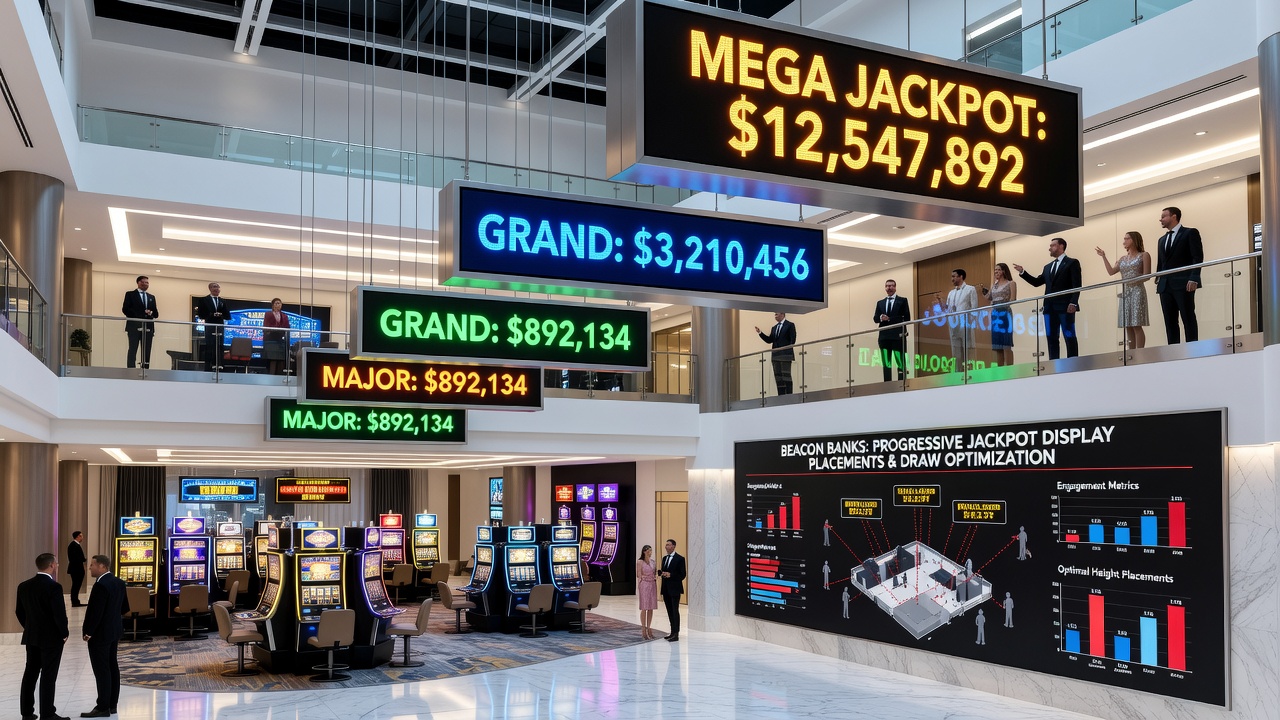
Analysts compare these movements against baseline data collected before and after installation changes, revealing consistent rerouting along sightlines that lead directly past the displays. Properties incorporate this information into quarterly layout reviews so that high-traffic corridors maintain clear access while still benefiting from the visual pull of accumulating prizes.
Integration with Broader Casino Operations
Beacon banks connect directly to central progressive systems that aggregate contributions from machines across multiple properties, and operators synchronize display updates with real-time meter feeds to maintain accuracy. Maintenance schedules account for atrium lighting conditions that affect screen visibility during daytime hours when natural light competes with LED output. Facilities teams coordinate with gaming departments to ensure that any downtime on individual meters does not disrupt the overall visual network.
Security protocols include camera coverage focused on these high-visibility areas because increased foot traffic raises the likelihood of incidental interactions near cash-handling zones. Training programs for floor staff emphasize directing guests toward specific machines tied to featured jackpots without creating bottlenecks at the display points themselves.
Regional Variations in Display Approaches
Venues in Macau position beacon banks within expansive atrium designs that accommodate larger crowd volumes, while European properties integrate similar displays into more compact spaces near bar and restaurant entrances. Canadian regulatory filings document how provincial gaming corporations adjust placement guidelines based on local building codes that influence atrium dimensions and emergency egress routes. Each region applies distinct criteria for screen brightness and content rotation intervals to match typical visitor flow patterns observed throughout the year.
Conclusion
Progressive jackpot beacon banks function as navigational anchors within casino atriums when operators align their positions with documented traffic patterns and architectural constraints. Data collected through integrated tracking systems continues to inform placement decisions across properties in multiple jurisdictions, and July 2026 updates reflect ongoing refinements to these configurations. Those adjustments maintain visibility for accumulating prizes while supporting efficient movement between gaming areas, retail outlets, and lodging facilities.